About Chesterfield
Chesterfield’s story stretches back more than a thousand years, with evidence of early settlement long before it became a recognised market town. Its name is thought to come from the Old English ceaster (Roman fort) and feld (open land), hinting at its early strategic importance. By the 1200s, Chesterfield had secured a market charter, laying the foundations for the bustling trading tradition that still defines the town centre today.
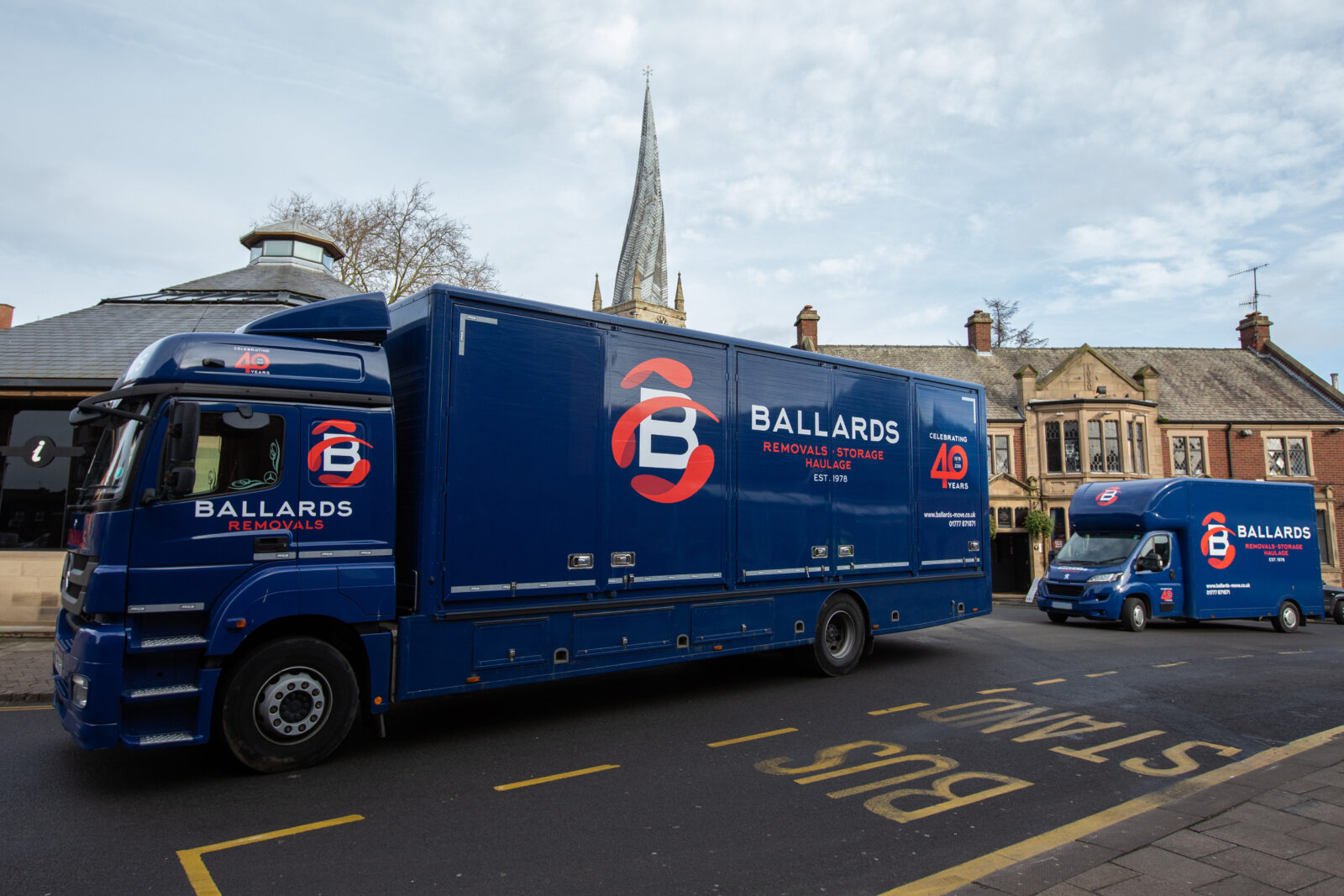
The medieval period left Chesterfield with one of its most famous landmarks: the Crooked Spire of St Mary and All Saints Church. Its twisted, leaning form has become a symbol of the town, attracting visitors and inspiring local folklore for centuries. Surrounding streets still follow their historic layout, with narrow lanes and long-established market stalls shaping the heart of the town.
During the Georgian and Victorian eras, Chesterfield expanded rapidly. The arrival of the railways and the growth of local industries transformed the town, bringing new housing, civic buildings and public spaces. Nearby estates such as Hardwick Hall and the Chatsworth area reflect the region’s wider heritage, with grand architecture, landscaped grounds and deep ties to Derbyshire’s history.
Chesterfield is also known for its strong connection to the Peak District. The national park sits just a short distance to the west, giving the town a unique blend of urban life and easy access to some of England’s most celebrated countryside. Today, Chesterfield continues to evolve, with regeneration projects, independent retailers and a lively programme of festivals and events adding to its character.
All these layers of medieval, industrial, Georgian, Victorian and rural heritage give Chesterfield a distinctive identity – one shaped by its history, its landscape and its long-standing role as a gateway to the Peak District.
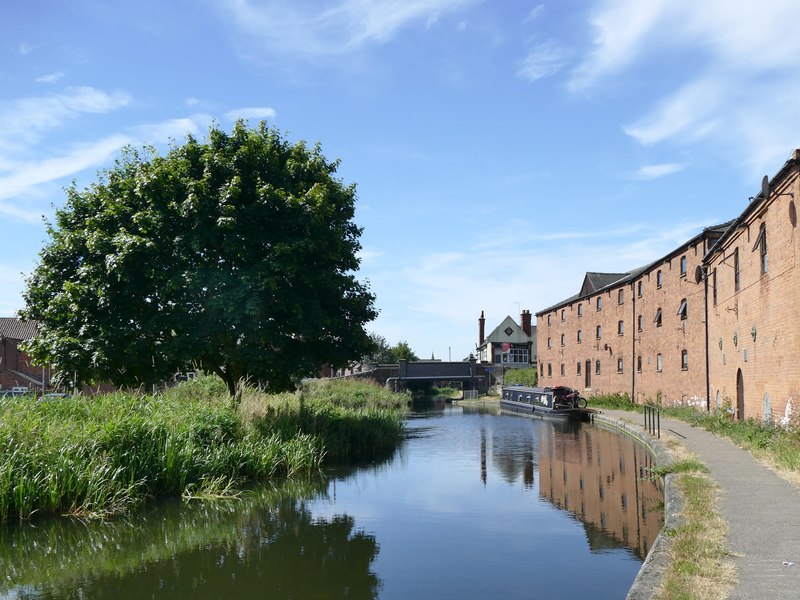
Image courtesy of: Graham Hogg, CC BY‑SA 2.0, via Wikimedia Commons