About Doncaster
Doncaster has a history that stretches back almost 2,000 years. It began as the Roman fort of Danum, built along the old route of Ermine Street. You can still see traces of this early past today, including a surviving section of Roman wall at St George’s Minster.
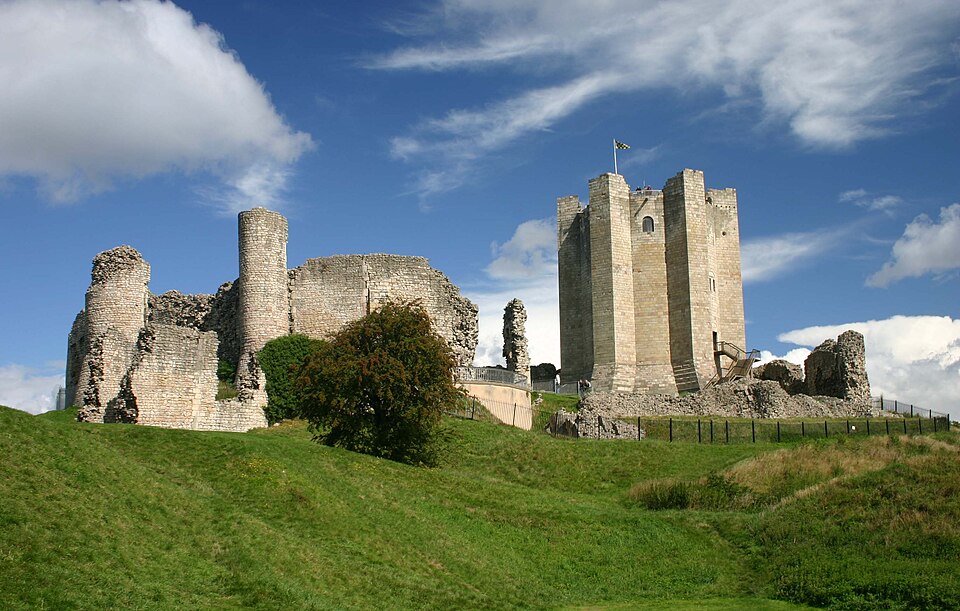
The medieval period left some of Doncaster’s most recognisable landmarks. The 12th‑century keep at Conisbrough Castle is one of the best‑known Norman structures in England, and the town’s long‑running markets helped it grow into an important trading centre. Its position on the Great North Road later made Doncaster a busy coaching stop for travellers heading between London and Edinburgh.
During the Georgian and Victorian eras, the town developed even further. The Mansion House, built in 1745, is one of only three civic mansion houses left in the country. Nearby, Cusworth Hall and Brodsworth Hall show what life was like in Doncaster’s grand country estates, with preserved interiors and landscaped grounds.
Doncaster is also famous for horse racing. The St Leger Stakes, first run in 1776, is the world’s oldest classic race and remains a major part of the city’s sporting identity. Doncaster Racecourse hosts the St Leger Stakes every year for Great Britain, alongside the Racing Post Trophy, two of the annual Group 1 flat races.
All these layers of Roman, medieval, Georgian, Victorian and industrial history give Doncaster a character that still shapes the city today.
Image courtesy of: Rob Bendall (Highfields), via Wikimedia Commons