About Lincoln
Around 105,000 people live in Lincoln today, but the city’s history stretches back nearly 2,000 years. It was first established by the Romans as Lindum Colonia, chosen for its position on the River Witham and the Roman road of Ermine Street. Parts of the Roman city still survive today, including the Newport Arch.
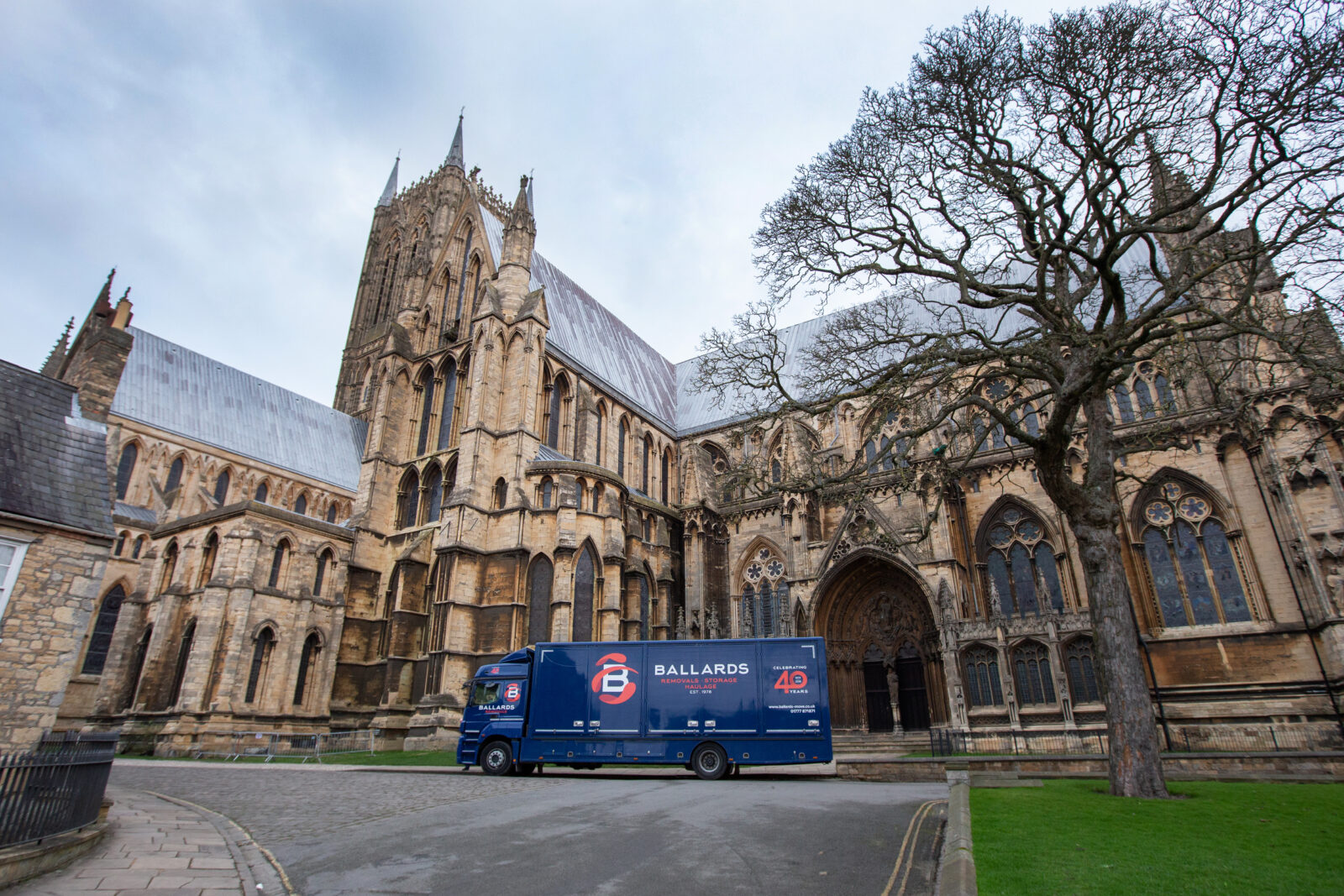
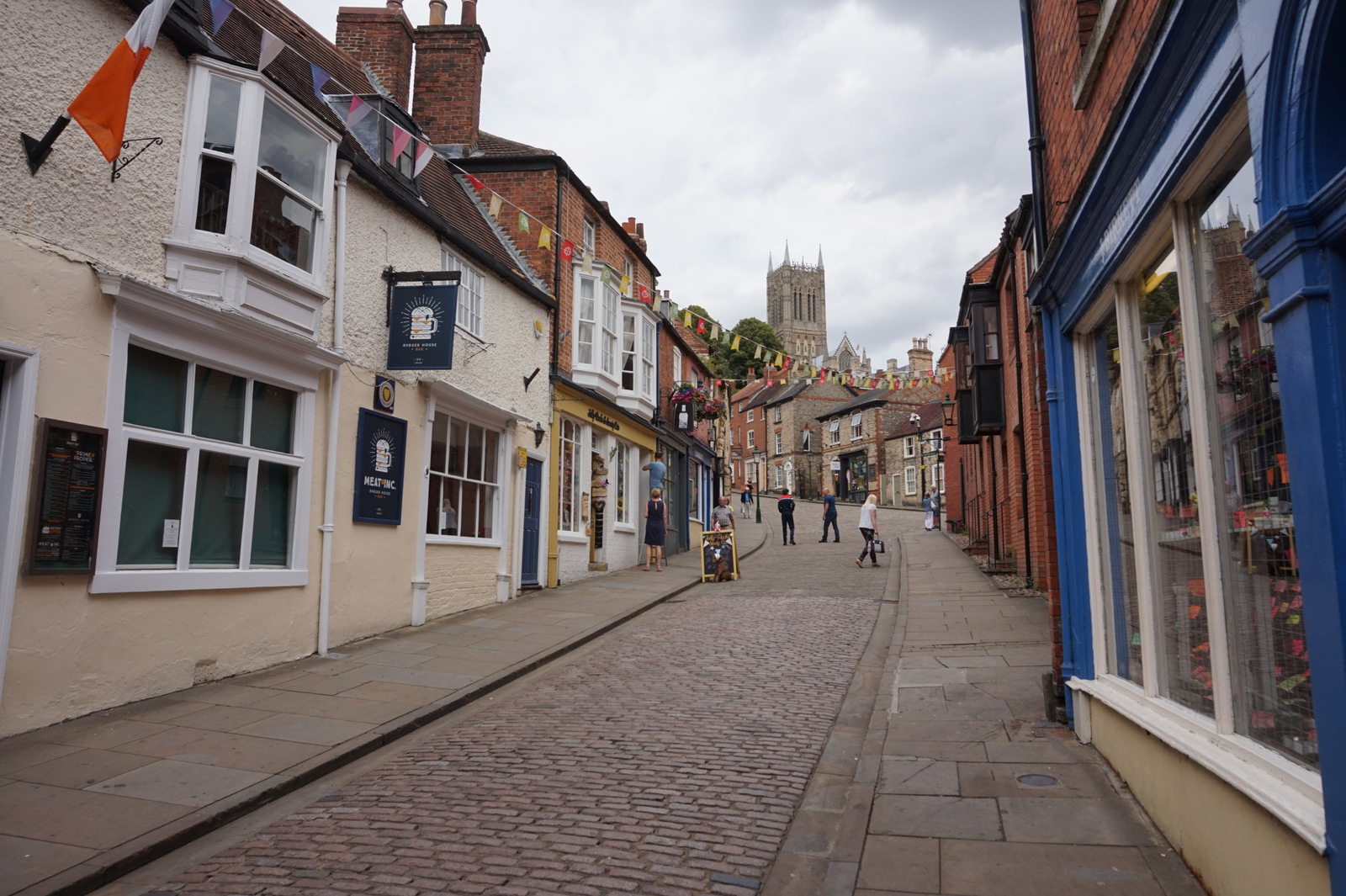
The city’s most famous landmarks date from the medieval period. Lincoln Cathedral, built in the 11th century, was once believed to be the tallest building in the world, while Lincoln Castle, built by William the Conqueror, holds one of the four surviving original copies of the Magna Carta.
Lincoln continued to grow through the industrial era, with engineering and manufacturing playing a major role in the city’s development. The world’s first military tank, known as “Little Willie”, was designed and built in Lincoln in 1915, marking the city as a key centre of early armoured vehicle innovation.
The Brayford Pool, once a busy inland port used for centuries of trade and transport, also shaped Lincoln’s growth. Today it has been transformed into a modern waterfront area, home to restaurants, bars, leisure facilities and the University of Lincoln campus, while remaining one of the city’s most recognisable landmarks.
Alongside its historic landmarks and vibrant city centre, Lincoln benefits from easy access to a range of green spaces and countryside attractions. Hartsholme Country Park, located on the south-western edge of the city, offers lakes, woodland walks and open parkland, while the nearby Whisby Nature Park is one of Lincolnshire’s most important nature reserves, with scenic trails, lakes and diverse wildlife habitats. Just a short drive away, Doddington Hall and Gardens provides a popular destination for visitors, combining a beautifully preserved Elizabethan manor house with landscaped gardens, farm shops and seasonal events throughout the year. These attractions help give Lincoln a unique balance of city living and access to nature.
Together, Lincoln’s Roman, medieval and industrial heritage, thriving waterfront, cultural attractions and nearby green spaces create a distinctive character that continues to attract residents, businesses and visitors from across the region.