About Gainsborough
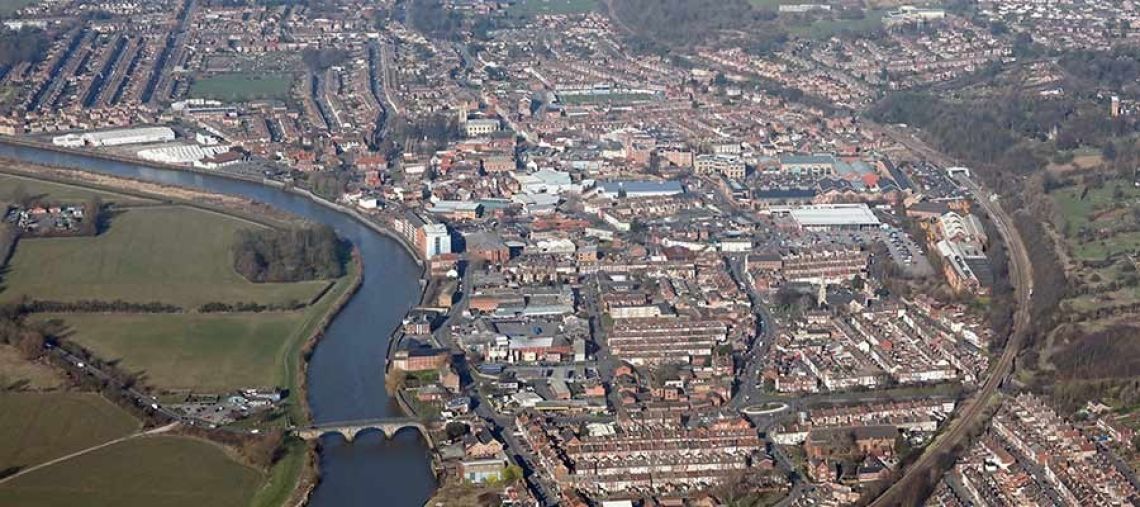
Gainsborough is one of the East Midlands’ most historically layered towns. It sits on the River Trent – once a busy trading route and one of England’s furthest inland ports – and at various points in its long history has been a wool port, a Viking stronghold and an industrial powerhouse. In 1013, the Danish King Sweyn Forkbeard set up his headquarters here, was declared King of England, and died in the town just five weeks later – a brief but notable claim to being the capital of England.
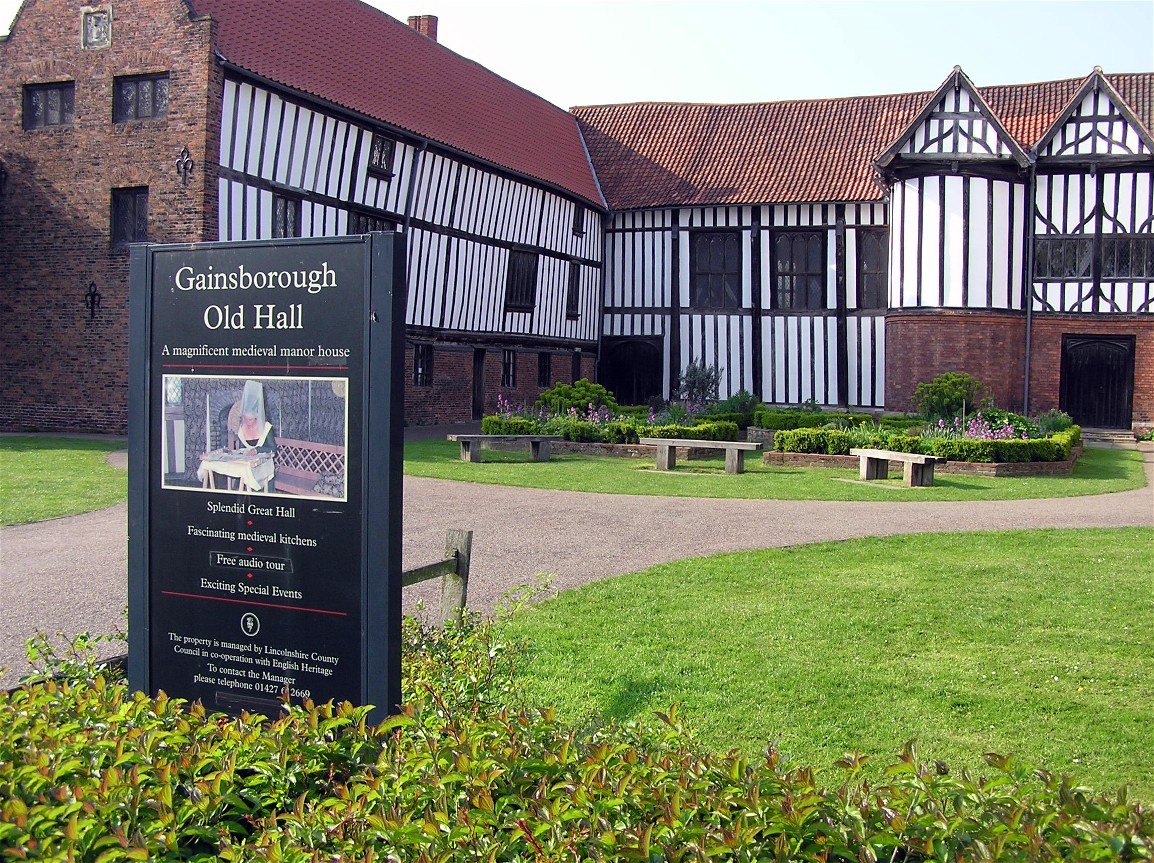
The centrepiece of the town is Gainsborough Old Hall, a remarkably well-preserved medieval manor house built between 1460 and 1480, which hosted both Richard III and Henry VIII.
Equally significant is the town’s industrial legacy: the Britannia Iron Works of Marshall, Sons & Co. once employed around 5,000 people and exported steam engines and agricultural machinery worldwide. The site is now home to Marshall’s Yard, the town’s regenerated shopping and leisure quarter and a striking example of industrial heritage given new purpose.
Gainsborough has a quiet literary connection that residents often enjoy discovering. George Eliot visited in 1859 and drew on the town as the basis for St Ogg’s in her novel The Mill on the Floss, describing the Old Hall and the distinctive tidal bore of the River Trent known locally as the Aegir – a remarkable natural phenomenon that rolls upstream from the Humber at certain tidal conditions.
Image courtesy of:
Tilman2007, CC BY-SA 4.0, via Wikimedia Commons