House Removals in Grimsby

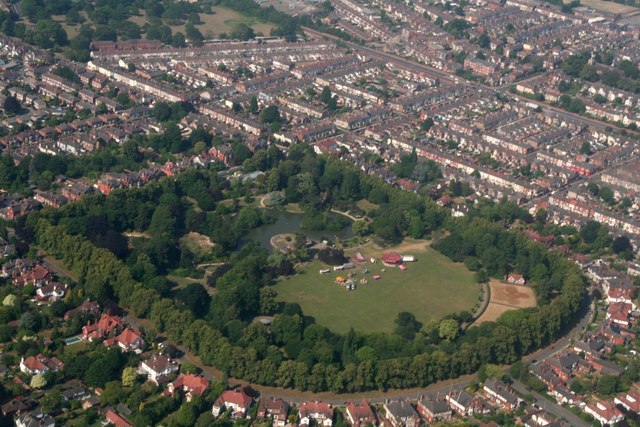
Aerial view of People’s Park in Grimsby, showing the central green space, surrounding trees and nearby urban area, photographed in 2018.

Grimsby sits on the south bank of the River Humber, offering a mix of coastal character, maritime history and modern regeneration.

With around 88,000 residents, the town combines long‑established neighbourhoods with newer developments, giving home-owners a wide choice of affordable housing. From traditional terraces near the docks to quieter suburban streets close to Cleethorpes, Grimsby appeals to families, first‑time buyers and anyone seeking a relaxed coastal lifestyle.

Cleethorpes is just ten minutes away, providing beaches, promenades and open coastal views. Grimsby also benefits from strong road links via the A180 and A16, along with rail connections to Lincoln, Doncaster, Sheffield and Manchester. Its growing renewable energy sector, particularly offshore wind, has brought new investment and employment, giving the town a forward‑looking feel alongside its maritime roots.

Older streets near the docks can have tighter access, while newer estates in areas like Scartho and Waltham often include cul‑de‑sacs and shared driveways. Coastal routes can also get busy during peak visitor times. Ballards plans around local layouts, parking, traffic routes and all the small details that keep your move running smoothly.


Image: People’s Park, Grimsby (aerial view) by Chris, CC BY‑SA 2.0, via Wikimedia Commons.

4 Decades of professional moving experience in Grimsby

With decades of experience across Grimsby, we are familiar with the practicalities that come with living beside the Humber. Whether your new home sits close to the seafront or within one of Grimsby’s established suburbs, we plan the most efficient routes and timings to keep your move running smoothly.

Living in Grimsby: Transport Links, Local Amenities and Housing Options

Grimsby is well connected by road, with the A180 running directly into the town and linking it with Immingham, the Humber ports and the wider motorway network. Routes such as the A46 and A16 provide easy travel towards Lincoln, Louth, Cleethorpes and the Lincolnshire Wolds. Ferry services from Hull offer straightforward international travel for those who need it.

Public transport is reliable and widely used. Grimsby Town Railway Station provides regular services to Cleethorpes, Doncaster, Sheffield, Lincoln and Manchester, supporting both commuting and leisure travel. Local and regional buses connect Grimsby with Cleethorpes, Immingham, Louth, and surrounding villages.

Housing across Grimsby is varied. The town centre and older residential areas feature Victorian terraces and traditional streets, while neighbourhoods such as Scartho, Waltham and New Waltham offer family homes, quieter roads and more modern developments. Newer estates on the outskirts provide contemporary housing with cul de sacs and shared access points, while coastal areas near Cleethorpes offer a mix of seaside properties and established suburban streets.

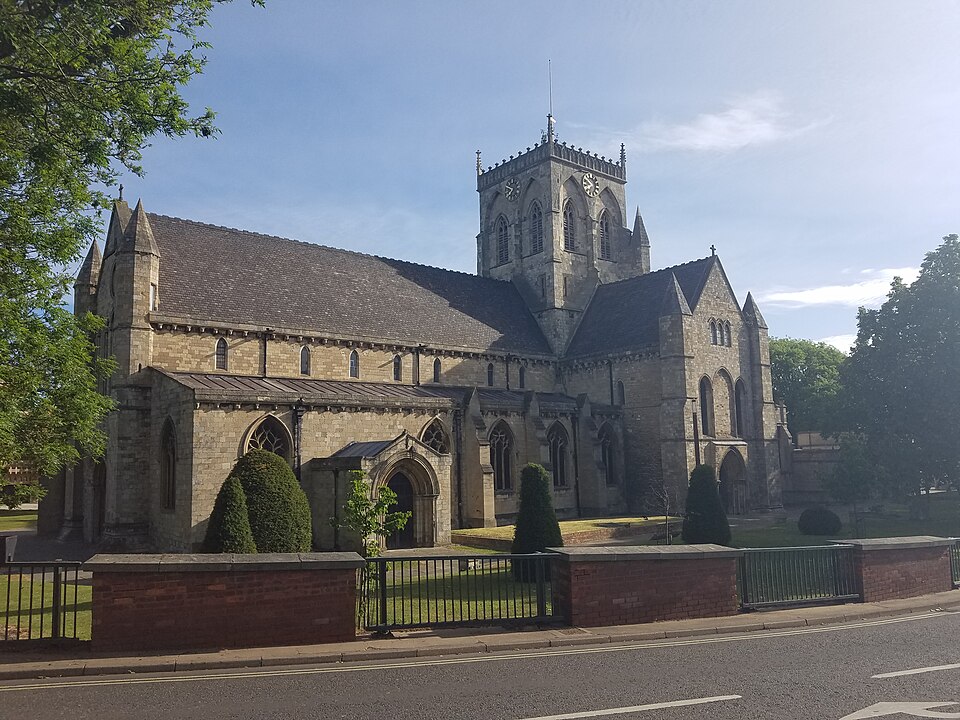
A street‑level view of Grimsby Minster from the junction of Bethlehem Street and Church Lane, showing the church’s stone façade, tower and surrounding urban streetscape.

Practical tips when moving to Grimsby:

  • Plan around shift change traffic at the docks – Grimsby’s port and seafood processing sites run on early morning and late afternoon shift patterns. Roads around the docks and industrial estates can get busy at these times, so planning your move outside these windows helps keep things running smoothly.
  • Expect strong winds near the Humber – The open coastline and estuary mean Grimsby often gets gusty conditions, especially around the A180 and the dockside. Securing boxes, furniture covers and vehicle doors is important when loading or unloading in exposed areas.
  • Check access if moving near historic dock buildings – Some older dockside streets and warehouse areas have tight corners, uneven surfaces and limited turning space. Sharing your exact address helps your removal team plan the safest route and choose the right vehicle size.
  • Be mindful of Cleethorpes visitor traffic – If you’re moving to the eastern side of Grimsby or close to Cleethorpes, roads can get busy on sunny days and weekends due to beach visitors. Avoiding peak leisure times can make access far easier for larger vehicles.


Image: Grimsby Minster from Bethlehem Street and Church Lane by RexSueciae, CC0 Public Domain, via Wikimedia Commons.

Removals and Storage Services in Grimsby

  • Read More about House Removals
    House Removals

    House Removals

    House Removals

    Move home with confidence. Our family-run team provides safe, efficient and fully planned house removals across the East Midlands, UK and internationally. From packing to delivery, we make moving home simple and stress-free.

  • Read More about 24hr Self Storage
    24hr Self Storage

    24hr Self Storage

    24hr Self Storage

    Secure, flexible storage with 24-hour access. Our Markham Moor self-storage units are safe, weatherproof and ideal for household or commercial use, giving you round-the-clock convenience and complete peace of mind.

  • Read More about Full pack service
    Full pack service

    Full pack service

    Full pack service

    Enjoy a smooth, stress-free move with our complete full pack service. Our friendly, trained team carefully wraps, protects and packs every item in your home using high-quality materials, giving you complete confidence that everything is in safe hands.

  • Read More about Part Pack Service
    Part Pack Service

    Part Pack Service

    Part Pack Service

    Our part pack service gives you the confidence that your fragile and valuable items are packed safely, while you handle the rest of your home at your own pace. It’s a flexible, reliable option that protects what matters most.

Moving in Grimsby: Useful Contacts

Following your move to Grimsby, these local contacts may be especially helpful:

North East Lincolnshire Council manages council tax, waste and recycling, parking, planning and local services across Grimsby and the wider area.

Diana, Princess of Wales Hospital provides A&E, urgent care, maternity, diagnostics and specialist services for residents in and around Grimsby.

Grimsby Town Railway Station offers regular services to Cleethorpes, Doncaster, Sheffield, Lincoln and Manchester, supporting commuting and regional travel.

Humberside Police’s Grimsby team provides neighbourhood policing, community safety support and non‑emergency assistance across the town.

Freshney Place Shopping Centre is Grimsby’s main retail hub, offering shops, services and amenities useful for new residents settling into the area.

Grimsby Fishing Heritage Centre showcases the town’s maritime history, exhibitions and heritage trawler tours, giving newcomers a sense of local identity.

Grimsby Minster is a key community landmark offering events, heritage, concerts and local activities for residents.

Stagecoach Bus Services in Grimsby connect the town with Cleethorpes, Immingham, Louth and surrounding villages, supporting everyday travel.

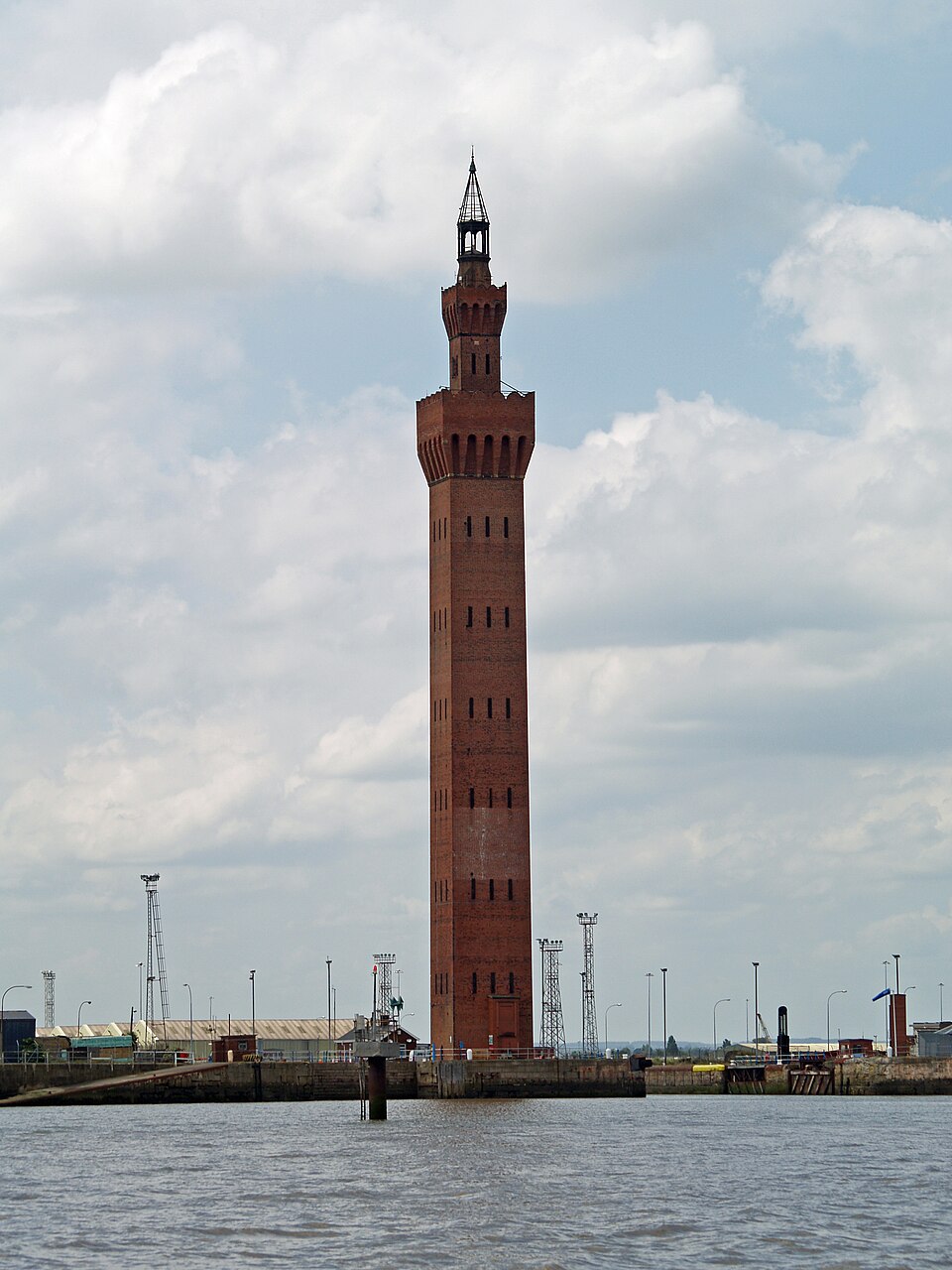
A tall brick hydraulic dock tower in Grimsby, captured from ground level, showing its detailed Victorian industrial architecture against a clear sky.

About Grimsby

Grimsby is a historic port town with roots stretching back to the Viking era. According to local tradition, the town takes its name from a Danish fisherman called Grim, who is said to have founded the settlement on the Humber estuary. Over the centuries, Grimsby grew from a small fishing village into a major maritime centre, shaped by its coastal position and long‑standing connection to the North Sea.

By the mid‑20th century, Grimsby had become the world’s busiest fishing port, with hundreds of trawlers operating from its docks and thousands of residents working in the fishing and processing industries. Although the industry later changed, the town remains a major hub today, home to the UK’s largest fish market and a global operations centre for the offshore and renewable energy sectors, particularly wind power. This shift has helped Grimsby evolve from a traditional fishing powerhouse into a modern maritime economy.

Grimsby’s industrial heritage is reflected in its architecture and engineering landmarks, most notably the Grimsby Dock Tower. Built in 1852 to provide hydraulic power to the docks, the tower stands at around 300 feet and remains one of the most iconic structures on the Humber skyline. Its presence, alongside the town’s historic quays, warehouses and maritime buildings, highlights the scale of Grimsby’s contribution to Britain’s fishing, engineering and coastal history.


Image: Grimsby’s Hydraulic Dock Tower by Steve Farrow, CC BY‑SA 2.0, via Wikimedia Commons.