House Removals in Derby

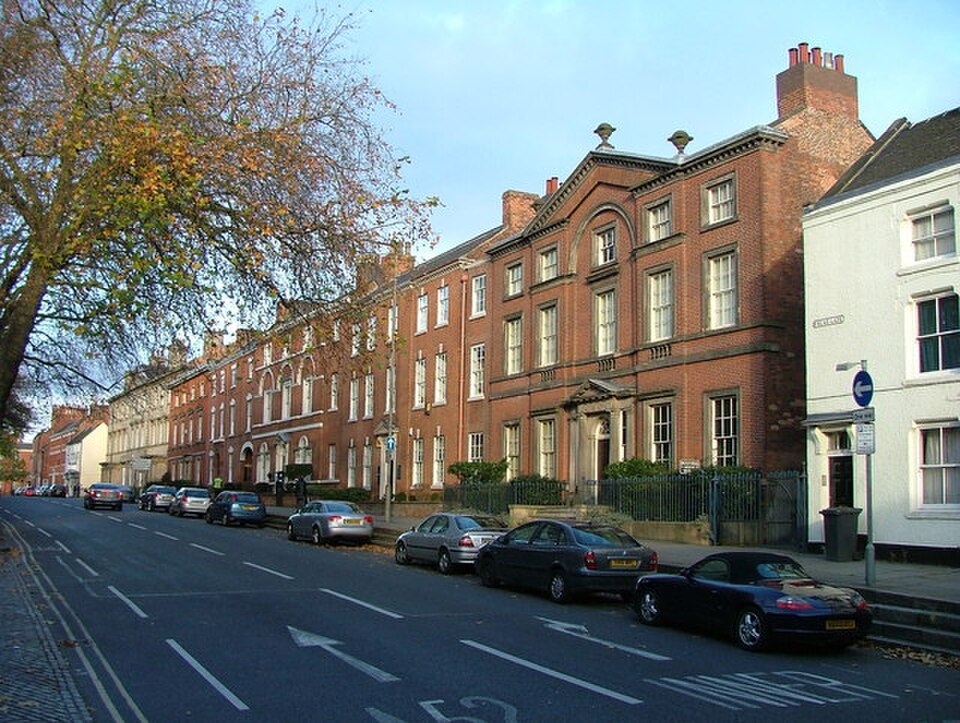
A row of Georgian town houses on Friar Gate in Derby. The buildings have brick facades, tall sash windows and decorative period details.

Living in Derby

Derby is a dynamic and culturally rich city in the East Midlands, known for its long‑standing engineering heritage, thriving manufacturing sector and growing creative and educational communities.

With landmarks such as the Cathedral Quarter, the Museum of Making and the River Derwent, the city blends historic character with modern development in a way that appeals to families, professionals and students.

Derby is popular for its balance of urban energy and accessible green spaces. Parks like Markeaton, Darley and Allestree offer wide open areas for walking, leisure and community events, while the city’s museums, theatres and independent food scene bring a lively cultural dimension. The University of Derby also contributes to the city’s modern identity, supporting research, innovation and a strong student presence.

Housing in Derby ranges from Victorian terraces and period townhouses in central districts to modern estates and family homes in suburbs such as Mickleover, Littleover, Oakwood and Chellaston. New developments continue to grow around the city, giving residents a choice between established neighbourhoods and contemporary living. Ballards understand the different areas and can help you plan access and practical details that keep your Derby move running smoothly.


Image: Georgian town houses on Friar Gate, Derby by J147, CC BY‑SA 2.0, via Wikimedia Commons.

Facilitating Moves in Derby for Over 40 Years

Supporting families, businesses and local residents as they move across Derby’s neighbourhoods, backed by the trusted expertise of Ballards.

Derby Transport & Connectivity

Derby’s location in the heart of the Midlands makes it especially attractive for commuters.

The city sits at a major regional crossroads, with strong transport links that support easy travel. Derby Railway Station provides direct services to London St Pancras, Birmingham, Sheffield, Nottingham, Leicester and wider UK destinations, giving residents reliable options for both daily commuting and longer‑distance journeys.

Road connectivity is another of Derby’s strengths. The city is well‑positioned near the A38, A52 and M1, making it straightforward to reach neighbouring cities and employment hubs across the Midlands. These routes support smooth travel to places like Nottingham, Burton‑upon‑Trent, Loughborough and Leicester, while also linking easily with national motorway networks.

Local transport within Derby is supported by extensive bus services, connecting suburbs such as Mickleover, Littleover, Oakwood, Chaddesden and Chellaston with the city centre. For new residents, this combination of rail, road and bus options makes Derby a convenient base for commuting, offering flexibility whether travelling locally or further afield.

Practical tips when moving to Derby:

  • Permit Zones – Central areas and hotspots like Darley Abbey, Littleover and Chester Green often fall within resident‑only parking zones. Use the Derby City Council MiPermit portal to arrange digital visitor permits or temporary exemptions before moving day.
  • Loading Restrictions – City streets are closely monitored, especially around the Cathedral Quarter and Friar Gate. Check whether your removals team needs a temporary parking dispensation and flag any double yellow lines or restricted bays early.
  • Estate Layouts – Suburbs such as Mickleover, Oakwood and Chellaston include cul‑de‑sacs, shared driveways and tight turning circles. Confirm access for larger vehicles and plan where vans can safely wait or unload.
  • Busy Spots – Areas near Derby Railway Station, the University of Derby and popular parks can be crowded at peak times. Scheduling your move outside student changeovers or weekend events helps keep access clear.
Get a quote

Removals and Storage Services in Derby

  • Read More about House Removals
    House Removals

    House Removals

    House Removals

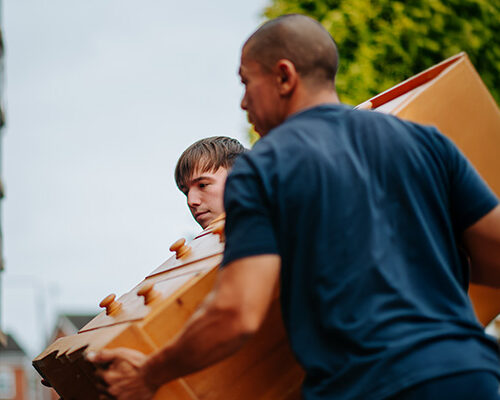
    Move home with confidence. Our family-run team provides safe, efficient and fully planned house removals across the East Midlands, UK and internationally. From packing to delivery, we make moving home simple and stress-free.

  • Read More about 24hr Self Storage
    24hr Self Storage

    24hr Self Storage

    24hr Self Storage

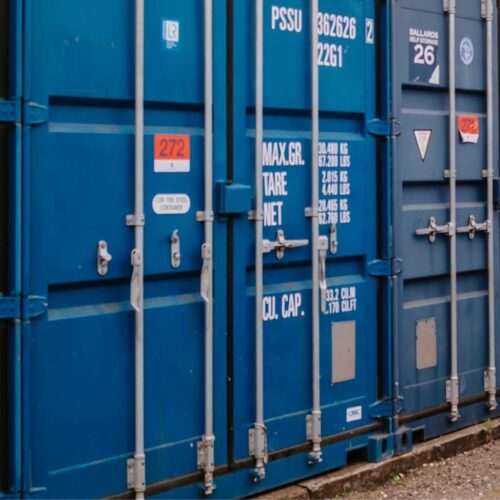
    Secure, flexible storage with 24-hour access. Our Markham Moor self-storage units are safe, weatherproof and ideal for household or commercial use, giving you round-the-clock convenience and complete peace of mind.

  • Read More about Full pack service
    Full pack service

    Full pack service

    Full pack service

    Enjoy a smooth, stress-free move with our complete full pack service. Our friendly, trained team carefully wraps, protects and packs every item in your home using high-quality materials, giving you complete confidence that everything is in safe hands.

  • Read More about Part Pack Service
    Part Pack Service

    Part Pack Service

    Part Pack Service

    Our part pack service gives you the confidence that your fragile and valuable items are packed safely, while you handle the rest of your home at your own pace. It’s a flexible, reliable option that protects what matters most.

Moving in Derby: Useful Contacts

When moving to Derby, you may find these local contacts highly useful as you settle in:

Derby City Council manages council tax, waste and recycling collections, planning applications, parking permits, school admissions and wider local services across the city’s neighbourhoods.

Royal Derby Hospital is the city’s main acute hospital, providing a full A&E department, urgent care, inpatient wards, maternity services, specialist clinics and diagnostics for Derby and the surrounding Derbyshire area.

Derby Railway station offers direct rail services to London St Pancras, Birmingham, Sheffield, Nottingham, Leicester and regional destinations, supporting commuting and wider travel across the Midlands and UK.

Derbyshire Constabulary’s Derby team provides neighbourhood policing, community safety suppor, crime reporting and non-emergency assistance across the city’s districts.

Schools in Derby include Derby Moor Academy, Landau Forte College, Littleover Community School, Chellaston Academy and a wide range of primary schools.

Tools like snobe.co.uk and locrating.com help families compare Ofsted ratings, catchment areas and admissions information.

Markeaton Park is one of Derby’s most popular green spaces, offering woodland walks, play areas, a craft village, seasonal activities and large open areas for leisure and community events.

Derby Bus Services, operated mainly by Trentbarton and Arriva, connect the city with Nottingham, Burton-upon-Trent, Ashbourne, Chesterfield and surrounding towns and villages.

The University of Derby is a major education and research hub in the city, offering courses across business, engineering, health, arts and sciences. Its campuses provide libraries, study spaces, community events, and public facilities for students and residents.

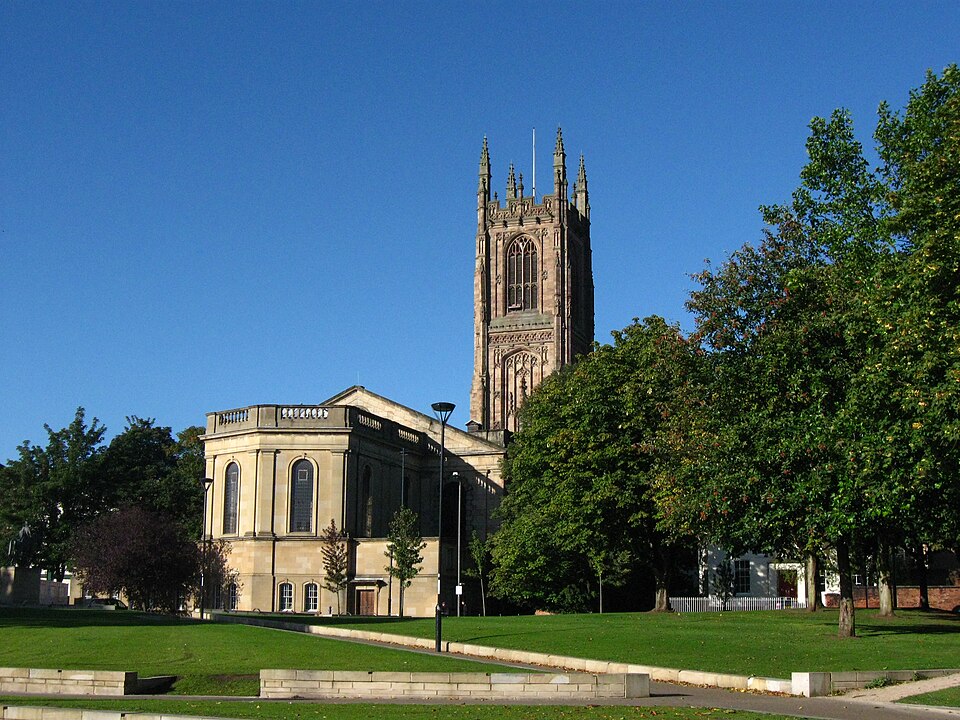
Derby Cathedral viewed from the street, showing its tower, stone façade and surrounding public space.

About Derby

Derby has a long history of creativity and industry. The city is often seen as one of the places where the Industrial Revolution began, thanks to Lombe’s Mill which is widely viewed as the world’s first fully mechanised factory. This early achievement helped shape Derby’s reputation for engineering and technical skill.

Over time, major companies such as Rolls‑Royce and Bombardier strengthened Derby’s role in advanced manufacturing. You can still see signs of this past in the Cathedral Quarter, where historic streets and older commercial buildings reflect the city’s early growth.

Derby also played an important part in creating public green spaces. Derby Arboretum, opened in 1840, is considered Britain’s first public park. It was designed to give local people a place to relax and enjoy nature, and it remains a key part of Derby’s heritage. Together with the riverside and historic streets, it helped shape a city identity that mixes industry with culture and community.

Derby became an official city in 1977 during Queen Elizabeth II’s Silver Jubilee celebrations. This recognised its national importance and growing influence in the Midlands. Today, Derby brings together its industrial roots, cultural history and modern development, creating a city known for both innovation and character.


Image: Derby Cathedral by Nick Moyes, CC BY‑SA 3.0, via Wikimedia Commons.