As we move into 2027, with fuel prices and other household costs continuing to rise, keeping moving house costs under control is more important than ever. The good news is that with the right preparation, you can make your move more cost-effective and stress-free.
In this guide, we’ll share practical house removal tips to help you save time, reduce costs and stay organised. From creating a moving timeline and decluttering before packing to preparing for moving day, we’ll cover the key steps to help you stay on track.
Moving house can be challenging, whether you’re relocating across the country or just a few miles down the road. But by getting organised early, you can spend less time worrying about the logistics and more time looking forward to settling into your new home.

When should you start planning for your move?
Planning comes more naturally to some people than others, but when it comes to moving house, getting organised early can make a significant difference.
Start by creating a moving timeline that outlines everything you need to organise before moving day. Here are some key milestones to include:
3 – 6 months before: Book a removals company
Peak summer and end-of-month moving dates often book up quickly, so it’s worth securing your preferred moving date as early as possible.
Once you’ve chosen a removals company, make the most of their expertise! They can advise on the best packing materials for your move, recommend any specialist boxes you may need and help you understand how much packaging to order, saving both time and unnecessary expense.
8 weeks before: Declutter your house
You may have already started decluttering before putting your house on the market; if not, now is the time to get started. Sorting through your belongings early means you have less to pack, move and unpack, which can help reduce your moving costs.
6 weeks before: Review your household utilities
Before moving, take time to review your household services. If you’re currently on a fixed energy tariff, check whether it can be transferred to your new property. Depending on your supplier and location, moving could also be an opportunity to compare available tariffs and potentially reduce your monthly costs.
The same applies to broadband. Confirm whether your existing provider can supply your new address and compare speeds and pricing against other providers in the area.
Reviewing your options early can help you avoid cancellation fees, installation delays and the frustration of moving into a home without Wi-Fi access.
2 – 4 weeks before: Start updating your address
Different organisations will need different notice periods for an address change; double-check these and work through updates for your banks, utilities, local council and driving licence.
Depending on the packing service you choose, you may also need to allow time for packing within your moving timeline. At Ballards, we offer full and partial packing services carried out by trained, careful packers, helping to take one more task off your to-do list.
However, if you choose our self-pack service, we recommend you start packing 4 – 6 weeks before moving day. Our Packing like a Pro series takes you through every step you need.

Why should you declutter before moving?
Decluttering before moving means there is less to pack, transport and unpack, which can help reduce your moving costs and make the whole process more manageable.
Work through your home one room or area at a time, sorting belongings into four categories: keep, donate, sell and recycle. Start with cupboards, wardrobes and storage spaces, and consider selling unwanted items through platforms such as Vinted, eBay or Facebook Marketplace to put some extra money towards your moving costs.
Example checklist:
- Wardrobes
- Loft, garage and shed.
- Kitchen cupboards
- Unused furniture
- Freezer
As you work through your home, consider creating a simple inventory of the items you plan to move. Note any large pieces of furniture, valuable belongings or items requiring specialist handling. This will help you give your removals company an accurate idea of what needs to be moved and avoid unexpected requirements on moving day.
There is no single right way to declutter. You might prefer to work through your home room by room or use a method such as the Marie Kondo approach. The important thing is to start early and only take the things you genuinely want or need in your new home.
How to pack your home like a professional
Packing like a professional is all about having a clear system. It can be tempting to simply put everything into boxes and call it a day, but taking a more organised approach can make unpacking much easier.
We recommend a room-by-room packing system. Label every box clearly with the room it belongs in so your belongings can be taken straight to the right place in your new home.
To help keep costs down, consider using sustainable packing materials where possible. Soft household items such as towels, tea towels, bedding and clothing can provide excellent protection for fragile belongings. For example, instead of using excessive amounts of bubble wrap for mugs and glasses, wrap them in tea towels or kitchen cloths before placing them in a box.
Before you start packing, make sure you have everything you need, including:
- Strong, suitable boxes
- Packing paper or bubble wrap
- Packing tape
- Labels and markers
What type of packing materials do you need?
While standard cardboard boxes may be suitable for many household items, specialist packing materials can make moving easier and help protect valuable belongings. Wardrobe cartons keep clothing on its hangers during transit, while purpose-designed boxes for items such as TVs, mirrors and artwork provide additional protection for more fragile possessions.
If you’re unsure what materials you’ll need, speak to your removals company. Experienced movers can advise on the most suitable packaging for your belongings and help you avoid the cost and inconvenience of replacing damaged items.
Explore our boxes and packaging for removals range.

What should you put in an essentials bag or box?
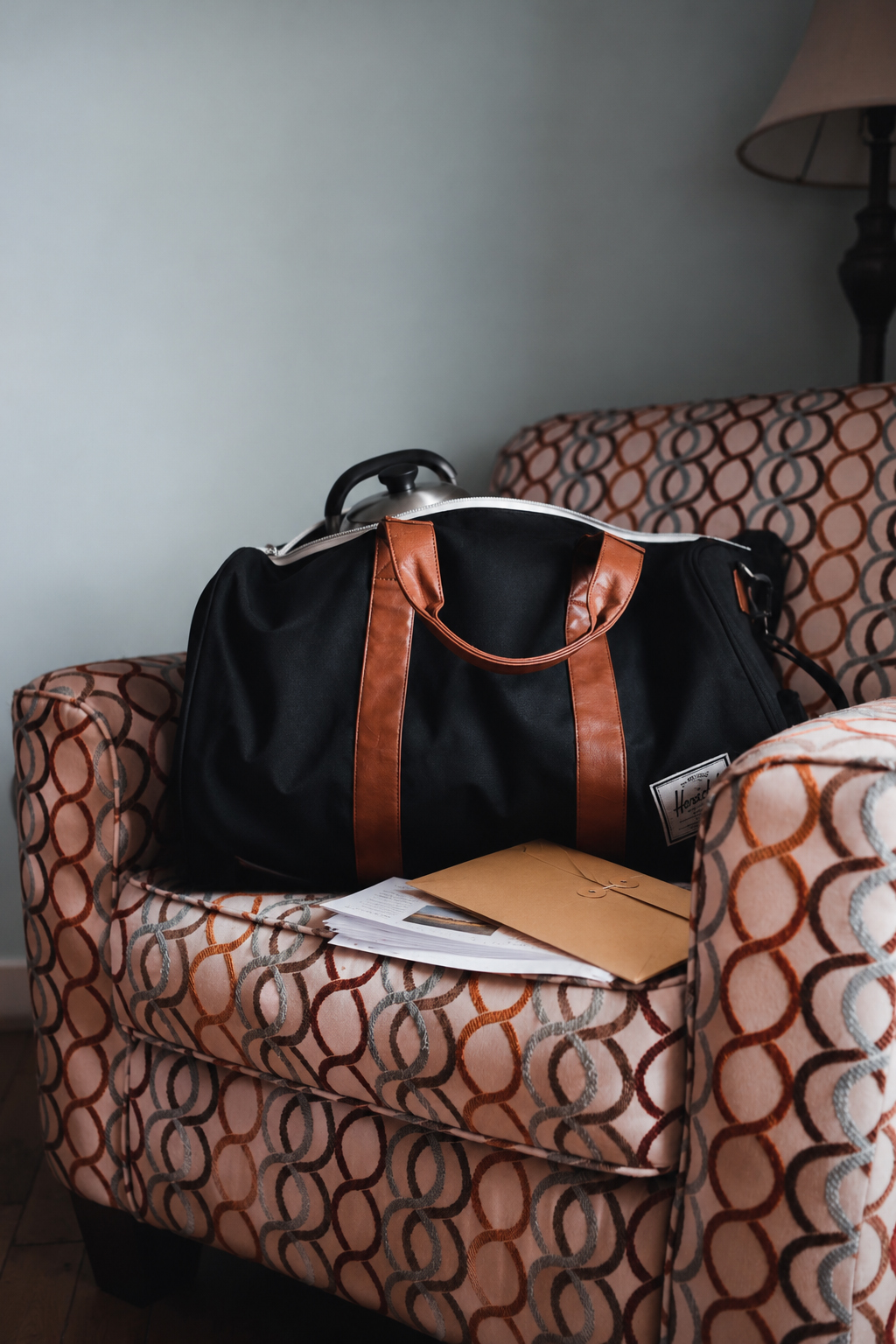
Your essentials kit should contain the things you’re likely to need during the move and within the first few hours in your new home.
- Important documents such as passports, contracts and moving paperwork
- Phone chargers and power banks
- Toiletries including toilet roll, soap and toothbrushes
- Medication and basic first aid supplies
- A change of clothes and pyjamas
- Basic tools such as a screwdriver, scissors and a box cutter
- Cleaning essentials including cloths, bin bags and kitchen roll
- Snacks, bottled water and easy-to-prepare food
- Pet or children’s essentials, if needed
- And most importantly, the kettle, mugs, tea, coffee and milk!
Keep your essentials kit with you rather than loading into the removal van, so it’s easy to access as soon as you arrive at your new home.
What should you do on moving day?
The morning of your move
On moving day, it’s easy to become so focused on keeping everything running smoothly that you forget some of the smaller essentials. Having a plan can help you stay organised and give you peace of mind.
Start with a final walkthrough of the property, checking cupboards, loft spaces, sheds and storage areas for anything that may have been missed during packing.
Next, take your meter readings. This is an easy step to overlook, but it can help prevent unnecessary costs and back-and-forth with your energy or water supplier. Take a clear photograph of each reading and provide the information to your supplier to avoid an estimate on your final gas, electricity and water bills.
Finally, check that all windows and doors are securely locked before leaving the property. This helps keep the property secure once it is vacant.
During the Move
With the right removals company, your move should be stress-free and efficient. Simply stay available in case the movers have any questions throughout the process and keep any valuables with you that you would rather have at hand.
What should you do when you arrive at your new home?
Once your move is complete, the first few days in your home can feel just as overwhelming as the lead-up to moving day. While most moving advice focuses on getting ready for the move itself, having a plan for those first few days can make settling in much easier.
Use this simple checklist to help you stay organised:
Step 1: Test all smoke and carbon monoxide alarms, find your stopcock, gas shut-off and fuse box, and check that all doors and windows lock securely.
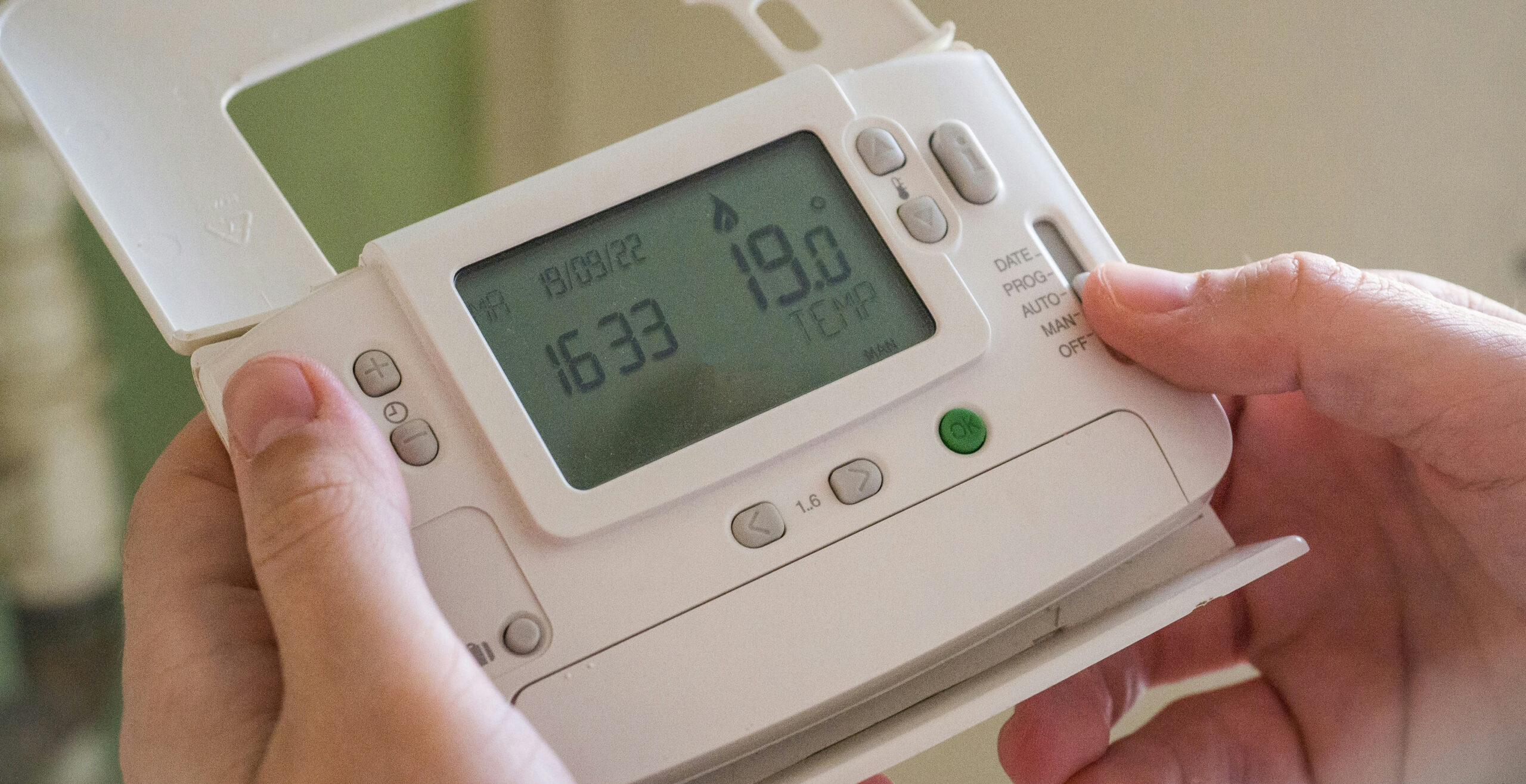
Step 2: Check that all of your utilities are working, take meter readings and contact suppliers if you come across any issues.
Step 3: Check your belongings for any damage and report any problems to your removals company promptly.
Step 4: Unpack essentials, assemble beds and do a food shop.
Step 5: Set up your Wi-Fi. If your install isn’t booked in yet, use mobile data in the meantime.
Overfilling boxes: Heavy boxes can be difficult or unsafe to carry and may damage your belongings.
Mixing items from different rooms: This can make unpacking more difficult and time-consuming.
Forgetting to label boxes: Clear labels make it easier to find what you need when you arrive.
Not preparing a first-night bag or essentials box: You may end up searching through boxes for clothes, toiletries and other essentials.
Underestimating how much you have: This can lead to unexpected packing, storage or removal costs.
Forgetting to update your address: Important post and correspondence could continue going to your old address.
Not protecting fragile items: Poorly packed belongings are more likely to be damaged during the move.
Choosing a removals company without checking reviews: Reviews can help you assess a company’s reliability and service quality.
Final Moving Checklist
Now that you’re ready to begin planning your move, use this checklist as a starting point to keep everything on track.
| Timeframe | What to do | Why it matters |
|---|---|---|
| 3 – 6 months before |
→Book your removals company.
→Create a moving timeline.
→Start researching packing and storage requirements.
|
Booking early can help you secure your preferred date and give you time to compare services, packing options and storage costs. |
| 8 weeks before |
→Declutter your home.
→Sell, donate, recycle or dispose of unwanted items.
→Begin organising important paperwork.
|
Removing unwanted items means less to pack and transport, which can help reduce your overall moving costs. Selling unwanted belongings can also put some money towards your move. |
| 4 – 6 weeks before |
→Gather packing materials.
→Start packing non-essential items if using a self-pack service.
→Review your energy, broadband and other household services.
|
Packing gradually can help you avoid last-minute purchases, while comparing household services can help you find better-value options and avoid unnecessary fees. |
| 2 – 4 weeks before |
→Update your address with banks, utilities and other organisations.
→Prepare your first night bag and essentials box.
|
Updating your details helps avoid missed bills and correspondence. Preparing essentials in advance can prevent unnecessary last-minute purchases. |
| 1 week before |
→Finish packing remaining items.
→Label all boxes clearly by room.
→Confirm arrangements with your removals company.
→Keep important documents and valuables somewhere safe and accessible.
|
Staying organised helps prevent lost or damaged belongings, last-minute packing costs and unexpected changes to your removal arrangements. |
| Moving day |
→Complete a final property walkthrough.
→Check cupboards, loft spaces, sheds and storage areas.
→Take meter readings and photographs.
→Keep valuables and essential items with you.
→Stay available in case your removals team has any questions.
→Lock all windows and doors before leaving the property.
|
These steps help prevent belongings being left behind or damaged, avoid incorrect utility bills and reduce the risk of delays or unexpected costs during and after your move. |
| After you arrive |
→Test smoke and carbon monoxide alarms, and locate your stopcock, gas shut-off and fuse box.
→Check utilities are working correctly and take meter readings.
→Check your belongings for damage and report any issues to your removals company.
→Assemble beds and pick up any essentials you need.
→Unpack priority items and key rooms first.
→Set up Wi-Fi.
→Complete any remaining address changes.
|
Checking safety and services early can help identify problems before they lead to additional costs or risks, while prioritising essentials can help you avoid unnecessary purchases while you settle in. |
Moving doesn’t have to be stressful. With the right planning and support from experienced removals professionals, the process can be far more straightforward than you might expect.
By preparing in advance, staying organised and following the steps in this guide, you can spend less time worrying about logistics and more time enjoying the start of your next chapter.
Why should you choose a professional removals service?
Choosing a professional removals company can take a lot of the pressure off your shoulders, giving you the benefit of experienced teams, efficient processes and the right equipment to handle your belongings safely. It also removes the need to hire a suitable vehicle, meet the right licence requirements or find extra help on moving day.
At Ballards, we treat your belongings as if they were our own. Our trained teams understand how to protect a wide range of household items, manoeuvre large furniture through tight spaces and use professional packing materials that provide greater protection during transit. We offer specialist full and partial packing services designed to make your move as straightforward as possible.
Guide to moving house in 2027 FAQs
The cost of moving house varies depending on factors such as:
- The amount you’re moving
- The distance between properties
- Access to your home
- Packing requirements
- Whether you have any large or specialist items
The best way to understand the cost of your move is to request a quote based on your individual requirements.
Yes. Royal Mail Redirection can forward post from your old address to your new one while you update your details with individual organisations. It’s worth arranging this before moving day to avoid important post being sent to your previous address.
Depending on where you live, you may need to arrange a parking suspension or dispensation if parking restrictions could prevent your removal van from accessing the property. Check your local council’s requirements before moving day, as rules and application times can vary.
The level of cover provided can vary between removals companies and may depend on factors such as how your belongings are packed and the type of items being transported. Check your removals company’s terms and conditions before moving day and ask about any valuable or fragile items that may require additional cover.
Some items may be restricted for safety, legal or insurance reasons, including certain hazardous, flammable or dangerous materials. Check with your removals company before packing anything you’re unsure about.
Prepare children for the move in advance and keep their favourite toys, snacks and other essentials easily accessible. On moving day, arranging for younger children to stay with family or a trusted adult can also help keep them safe and away from the activity.
Moving day can be unsettling for pets, so keep them somewhere secure and away from the main activity. Pack their food, medication and familiar bedding separately so you can easily access them when you arrive at your new home.