In nearly five decades of moving families across Nottinghamshire, Lincolnshire and beyond, we’ve had more than a few calls that start the same way: “We tried to do it ourselves, but…”. A wardrobe that wouldn’t fit in the van. A sofa bed that scratched the stairs on the way out. A move that started at seven in the morning and was still going at ten at night.
We’re not here to tell you that hiring a van is always the wrong choice. For a small move with the right help, it can work perfectly well. But it’s worth going in with a clear picture of what’s actually involved – and what the full cost comparison looks like – before you decide.
What van hire actually involves
When you hire a van to move house, you’re taking on the entire operation yourself. That means:
- Packing everything securely into boxes and protecting furniture for transit
- Carrying all of it out of your current property and loading it into the van – including beds, sofas, washing machines and wardrobes
- Driving a vehicle that is significantly larger and heavier than a standard car, often in residential streets with limited space
- Unloading everything at the other end and carrying it up to the relevant rooms
- Returning the van within the agreed hire window – typically the same day
For a small move – a studio flat or a single room – this is a manageable proposition if you have a couple of willing helpers and a straightforward route. For a two, three or four-bedroom family home, it’s a very different undertaking.
What is the real cost of hiring a van for a house move?
This is where the comparison gets more interesting – and where a lot of people are surprised.
A day’s hire for a large Luton van (the type needed for most family moves) typically costs between £80 and £150, depending on the company and the time of year. That figure looks attractive until you add everything else:
- Fuel: a fully loaded Luton van is not fuel-efficient. For a local move you might spend £30–60 on fuel; for a longer journey, considerably more.
- Insurance: most van hire companies offer basic cover but it often comes with a high excess – sometimes £1,000 or more – and may not cover the contents of the van at all, only damage to the vehicle. Separate goods-in-transit insurance can cost an additional £30–80 for a single day.
- Equipment: moving blankets, trolleys, straps and packing materials all cost money if you don’t already own them. Budget at least £40–80 for a properly equipped move.
- Packing materials: boxes, tape, bubble wrap and packing paper for a three-bedroom house typically costs £60–£120 if bought new.
- Time off work: most van hire moves take the better part of a full day, sometimes longer. If you and your helpers are taking annual leave, that has a value too.
Add it up and a “cheap” van hire for a two-bedroom move could easily reach £400–£600 before any complications arise. A professional removals quote for the same move in this part of the country would typically fall within a comparable or only slightly higher range – and includes an experienced crew, the right vehicle, full goods-in-transit insurance and professional packing materials as standard.
The real question isn’t just “which is cheaper?” – it’s “what am I actually getting for the money?”
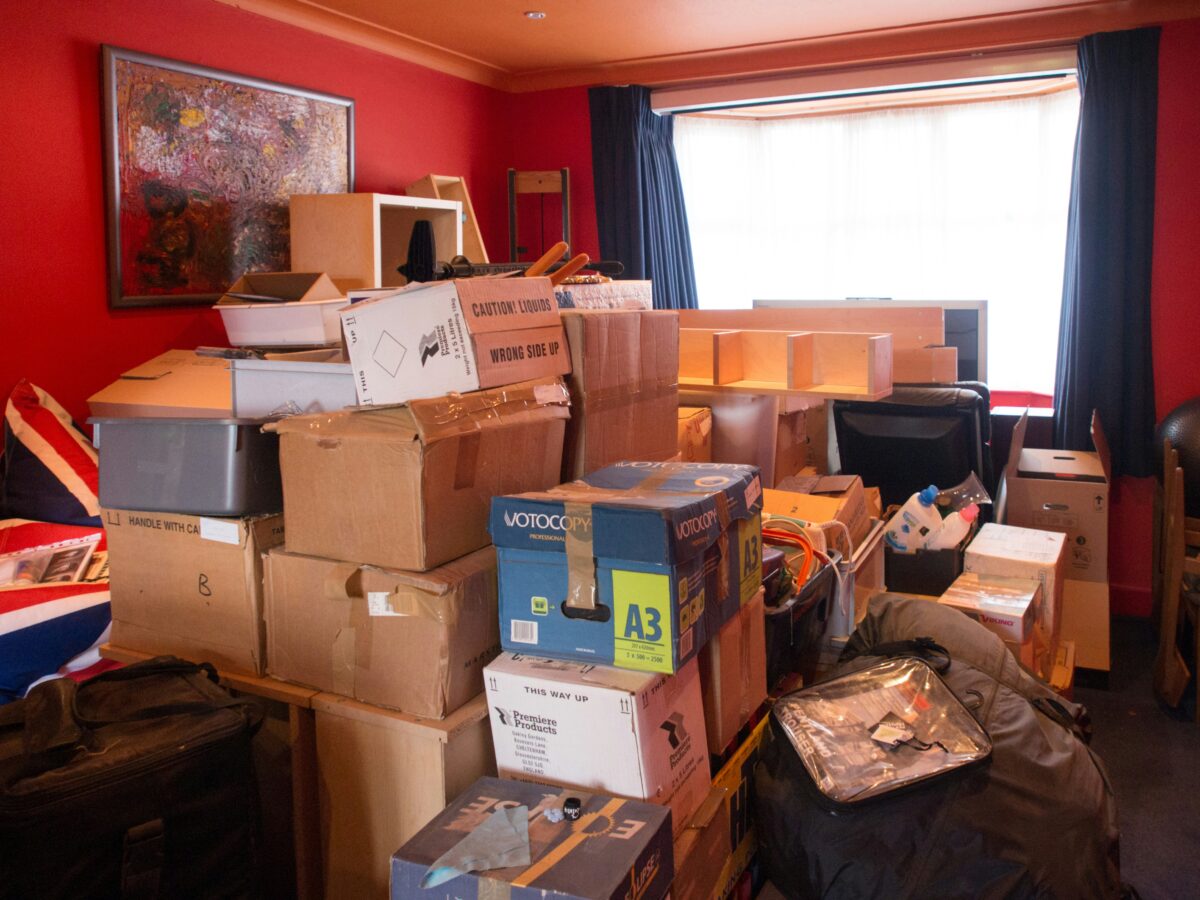

It’s only when it gets close to moving day that the reality of a self-move with van hire becomes apparent
Time, effort and the physical reality
Moving house is physically demanding work. Lifting heavy furniture, navigating awkward staircases and carrying loaded boxes repeatedly over several hours is tiring even for people who are used to it. If you or your helpers have any physical limitations, or if your property has multiple floors, a long carry from the street, or restricted access, the effort involved rises sharply.
A professional removals crew does this every working day. They have the right equipment – sack trucks, furniture dollies, moving blankets, carrying straps – and they know how to handle heavy and awkward items safely and efficiently. What takes an unprepared team most of a day often takes an experienced crew half the time.
The risk of damage – and who pays
This is the area where DIY moves most often go wrong. Furniture gets scratched. Items get dropped on stairs. Boxes that weren’t packed securely shift in transit. Most of the time the damage is minor; occasionally it isn’t.
The insurance position with van hire is worth understanding before you commit. Standard van hire cover protects the vehicle against damage – it does not cover your belongings. If your television is damaged in transit or a piece of furniture is scratched on the staircase, you’re relying on your home contents insurance to cover it, and many contents policies exclude items in transit or apply their own restrictions.
A reputable removals company carries goods-in-transit insurance as standard, covering your belongings throughout the move. BAR member companies like Ballards also offer the additional protection of the Advanced Payment Guarantee – so even in the unlikely event of a problem, you’re covered.
When hiring a van makes sense
To be fair to the van hire option, there are situations where it’s a perfectly reasonable choice:
- You’re moving a small number of items – a single room, a studio flat, or just the overflow from a larger move
- You have reliable, willing help available for the whole day
- You’re comfortable driving a large vehicle and have somewhere easy to park at both ends
- The move is short-distance and access is straightforward at both properties
- You have time and physical capacity to pack, load, drive, unload and return the vehicle in a single day
If all of those conditions apply, van hire can work well. If any of them don’t, the case for a professional removals company gets stronger quickly.
Get a free, no-obligation professional removals quote from Ballards.
If you’re not sure which option is right for your move, a removals quote costs nothing and commits you to nothing. It’ll give you a clear number to compare against the van hire alternative – and a complete picture of what’s involved.
Not sure what’s right for your move?
Here are some of the most common questions people ask when deciding between van hire and a removals company.
Van hire can be cheaper for very small moves, but for larger moves, removals services often provide better value when you factor in time, effort, and risk.
Yes, Ballards offers packing services and materials to ensure your belongings are protected.
Yes. Most van hire companies include basic insurance, but it often comes with a high excess. You may need to pay extra for better cover, especially if you’re concerned about accidental damage during the move.
If you’re not used to driving larger vehicles, it can take some getting used to. Vans are longer, wider, and harder to manoeuvre, particularly when parking or reversing. This can add stress on moving day, especially in busy or residential areas.
It depends on the size of your move and the distance involved. A small move might take a few hours, while a full house move can take a full day or longer. A removals company will usually give you a clear timeframe in advance.
Yes, most professional removals companies, including Ballards, can help with dismantling and reassembling larger items like beds and wardrobes. This can save a lot of time and effort.
With a professional removals service, your belongings are handled by experienced movers using the right equipment. Reputable companies also have insurance in place, giving you added peace of mind.
For many people, yes. While it may cost more upfront than hiring a van, it often saves time, reduces stress, and lowers the risk of injury or damage, especially for larger moves.
It’s best to book as early as possible, especially during busy periods. Ideally, aim for at least 2-4 weeks’ notice, though availability can vary.
Yes, most offer boxes, tape, and protective materials. This helps ensure your belongings are packed safely and securely for transport.
Yes. Ballards offers both local and UK-wide removals, alongside International removals so whether you’re moving nearby or further afield, support is available.